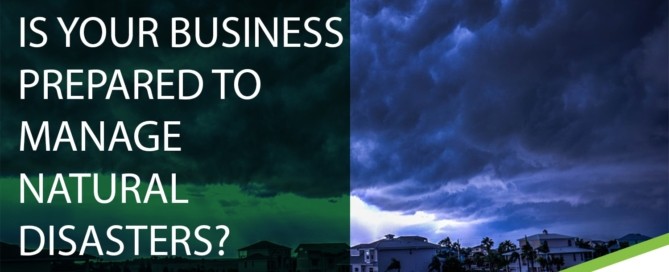
Is Your Business Prepared to Manage Natural Disasters?
Natural disasters, such as cyclones, can be fore-cast while other emergencies can happen without warning such as earthquakes fires, and floods. An emergency plan is the most effective process to follow to avoid injuries and loss of life in the event of any catastrophe. As an example, Hurricane Harvey was just the beginning of a […]
How to Keep a Safety-Focused Organisation
Australia is prone to many natural disasters It is best to prepare a plan and procedure and have a training regime in place to keep your business and employees safe by turning your company into a safety-focused organisation How to get your employees in a safety-focused organisation involved in preparation for a disaster? The duty […]
The Roles of Facility Managers in High-Rise Fire Prevention
High-rise fire prevention has been the centre of attention since the Grenfell Tower fire in West London. The incident has put more focus on facility and building managers’ accountability in promoting fire safety and in ensuring that buildings and the people in them are prepared when disasters strike. Facility managers and Building managers as guardians […]
Five Tips You Should Know to Assemble the Best Evacuation Procedure

Emergencies don’t keep to a schedule – They can happen at any time, any day. Thus, it’s important to develop an evacuation procedure that suits your workplace to ensure that all employees can exit your building safely in times of emergency. Here are five tips on how to assemble the best evacuation procedure Know your […]
Emergency Committees: Ensuring Effective Communication in a Disaster

Timely dissemination of information can save lives and properties during a calamity. An emergency plan will be futile if it is not properly communicated to relevant parties. Hence, you need to have emergency committees in place to guarantee smooth flow of information and instructions. During calamities, members of the Emergency Committees play significant roles in ensuring […]
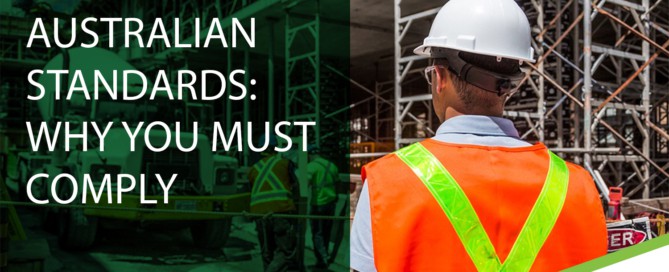
Australian Standards: Why You Must Comply
The Australian government takes the safety of workers very seriously, which is why there is a legislation mandating emergency preparedness across all sectors of society. For example, there are Fire Safety requirements, covered by various pieces of legislation, Regulation, Australian Standards, reference guides and codes applicable to various jurisdiction across Australia. When it comes to […]
Emergency Procedure: Everything You Should Know
Prevention, as they say, is always better than the cure. This is just as applicable as having an emergency procedure, unpredictable as emergencies usually are. Although it is never actually possible to determine when a natural calamity or human-made disaster will occur, it is still worth taking on safety measures to mitigate the potential damage […]
Workplace Risk Assessment and Hazard Control

Emergency situations do not necessarily arise only from natural disasters or fire emergencies. Sometimes, all it takes is a little miscommunication on the floor workspace or a clumsy spill of a hazardous material for an injury or an accident to happen. As such, it is not only emergencies of destructive nature that general occupants must […]
Facility Manager Strategies to Achieve Safety
A Facility Manager plays a key role to maintain and enhance compliance in life safety of the building and occupants from a wide range of possible emergencies. There is no room for error: as a facility manager, you must be vigilant in keeping the property and people safety by focusing on details and regular safety […]
How to Build a Strong Emergency Management Program
Emergency management is something that involves a large number of people, so it’s imperative for everyone to gain an awareness of how emergencies are managed in their business. For example, where does emergency management sit in concerning your business’ priorities? There are many reasons why an organisation should implement an emergency plan. Emergency Management should aim […]